Okaw Veterinary Clinic
140 W. Sale
Tuscola, IL 61953
(217) 253-3221

Okaw Veterinary Clinic
140 W. Sale
Tuscola, IL 61953
(217) 253-3221

(217)253-3221
www.okawvetclinic.com
|
About Us
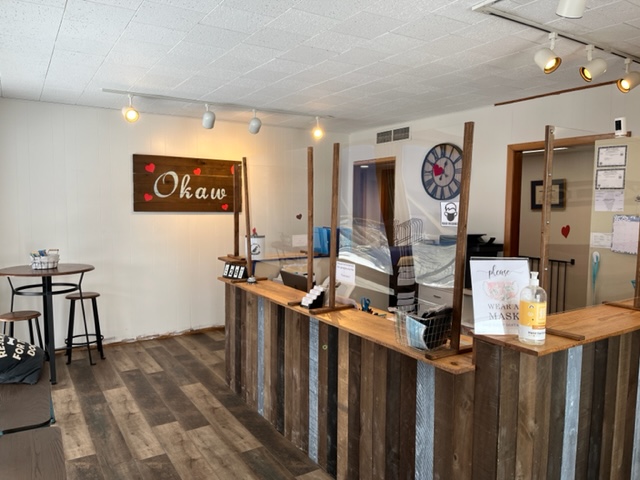
Okaw Veterinary Clinic is a well-established, full-service, small animal veterinary hospital providing comprehensive medical, behavioral, surgical, dental and integrative medicine.
We provide a broad spectrum of diagnostic procedures through in-house testing and the use of external laboratories. We also work closely with local practices when special diagnostic procedures are required. Our facility includes a well-stocked pharmacy, in-hospital surgery suite, in-house x-ray capabilities, and a closely supervised hospitalization area. At Okaw Veterinary Clinic we strive to offer not only sound advice, but also optimal veterinary care, thus allowing you the enjoyment of your companion for a maximum number of years. Our job is not only to treat your pet when he or she isn't feeling well, but also to help you learn how to keep your best friend happy and healthy. Our staff has been certified in Low Stress Handling. Dr. K and our CVT's have completed detailed courses about pet body language and low stress handling. We use treats, blankets, and distraction methods to help your pet be calm during exams. Many of our patients pull their owner into our door and enjoy their vet visits. Debbie Gass, one of our CVT's, is also a Certified Fear Free Professional.
|
|
Okaw Veterinary Clinic Hours: |
|
Check us out on Facebook and Instagram
Click the paw for our online pharmacy 
|
|
|
 Processing ....